
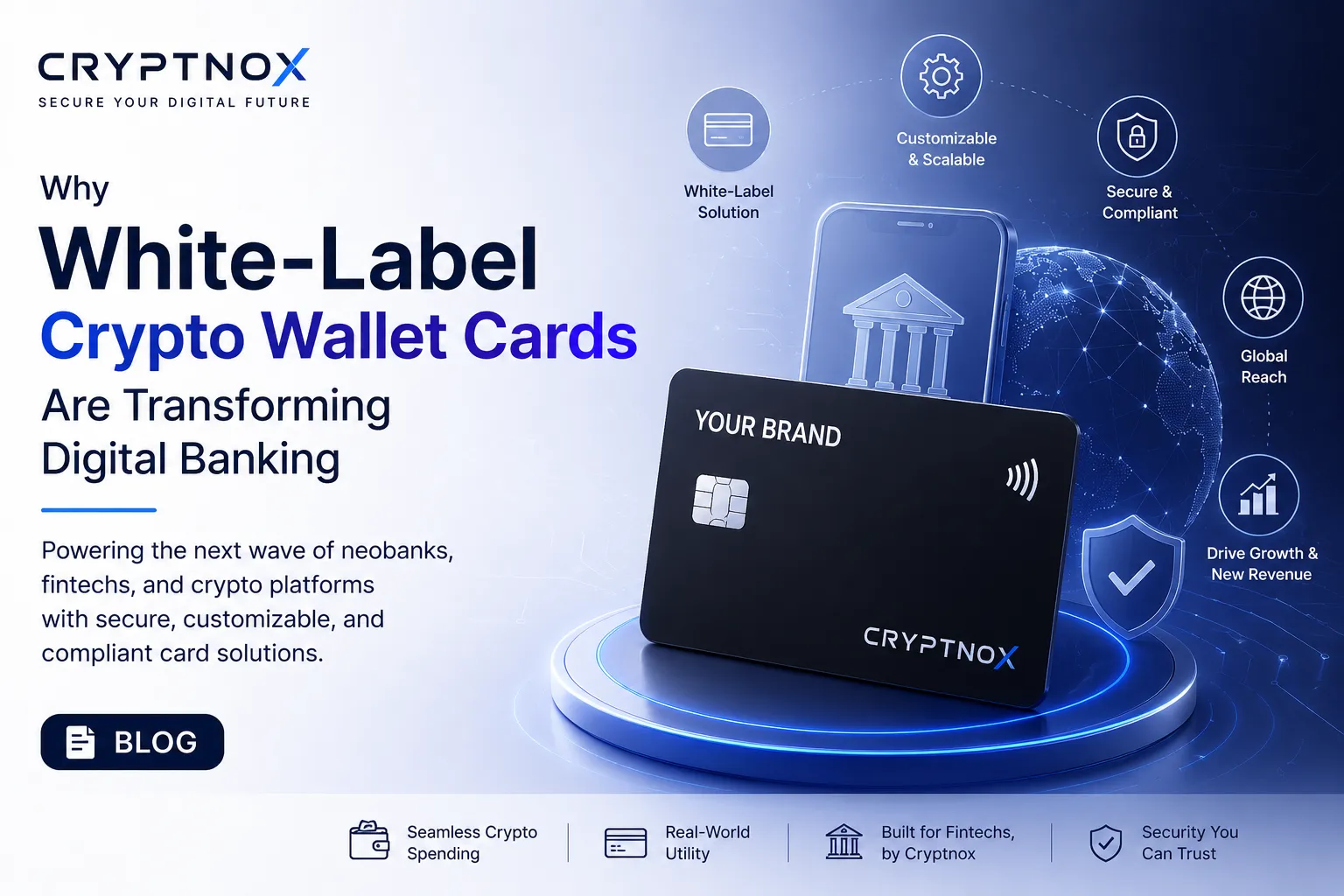
The financial services industry is undergoing a significant transformation as blockchain technology, digital assets, and decentralized finance reshape customer expectations. Banks, fintech companies, and payment providers are increasingly exploring new ways to offer secure crypto services without building complex infrastructure from scratch. One of the most promising innovations is White-label crypto wallet cards, which enable organizations to launch branded hardware wallet solutions while maintaining a seamless customer experience.
Unlike traditional custodial platforms, hardware-backed wallet cards provide users with greater control over their digital assets while giving financial institutions a scalable way to introduce secure blockchain services. As demand for digital asset products continues to grow, white-label wallet programs are becoming an attractive option for institutions seeking to accelerate innovation and strengthen their competitive position.
The Rise of Digital Banking and Crypto Integration
Digital banking has evolved far beyond online account management and mobile payments. Today’s customers expect access to cryptocurrency, tokenized assets, and blockchain-enabled financial services within the same ecosystem they already trust.
However, developing secure hardware wallet infrastructure internally requires significant investment, specialized expertise, and extensive security testing. White-label wallet solutions eliminate many of these challenges by allowing institutions to deploy branded products built on proven technology.
A modern Cryptnox white-label crypto cards solution enables banks and fintechs to focus on customer experience while leveraging enterprise-grade security infrastructure.
What Are White-Label Crypto Wallet Cards?
White-label crypto wallet cards are customizable hardware wallet solutions that financial institutions, fintech companies, and payment issuers can brand as their own. Instead of developing proprietary hardware, organizations can integrate secure wallet technology into their existing product portfolios.
These solutions often support:
-
Secure private key storage
-
Self-custody capabilities
-
Digital asset management
-
Enterprise wallet provisioning
-
Hardware-backed cryptographic security
This approach allows organizations to introduce innovative digital asset services while reducing development complexity and time to market.
Why Financial Institutions Are Adopting Hardware Wallet Cards
Institutional interest in blockchain continues to increase as customer demand for digital asset services grows. Rather than relying solely on custodial platforms, many organizations now recognize the advantages of hardware-backed wallet solutions.
Key benefits include:
-
Enhanced customer trust
-
Improved private key protection
-
Scalable deployment models
-
Greater flexibility for branded products
-
Reduced infrastructure development costs
A hardware-based wallet program also enables organizations to differentiate themselves in an increasingly competitive financial services landscape.
Card Wallet as a Service Simplifies Deployment
Launching a crypto wallet solution traditionally required extensive engineering resources, hardware manufacturing expertise, and secure provisioning processes. Card Wallet as a Service changes this model by providing a comprehensive platform that simplifies deployment.
Organizations adopting Card Wallet as a Service can accelerate product development without managing every aspect of hardware production internally.
This service model supports:
-
White-label product branding
-
Secure wallet provisioning
-
Enterprise deployment
-
Flexible integration
-
Scalable growth strategies
For banks and fintech providers, this significantly reduces barriers to entering the digital asset market.
Supporting Blockchain Wallet Infrastructure
A successful digital asset strategy depends on reliable blockchain wallet infrastructure. Hardware-backed solutions strengthen security by isolating cryptographic keys from internet-connected devices, reducing exposure to malware and unauthorized access.
Modern blockchain wallet platforms enable organizations to support:
-
Digital asset custody models
-
Secure authentication
-
Enterprise wallet management
-
Tokenized asset services
-
Self-custody experiences
Strong infrastructure provides the foundation for long-term digital banking innovation while improving customer confidence.
The Importance of Secure Key Injection
One of the most critical components of hardware wallet production is secure key injection. This process ensures cryptographic credentials are generated and provisioned within highly secure environments before reaching end users.
Advanced secure key injection methods help protect against:
-
Credential compromise
-
Manufacturing risks
-
Unauthorized key duplication
-
Supply chain attacks
-
Hardware tampering
Organizations evaluating hardware wallet providers should prioritize partners with proven expertise in secure manufacturing and credential provisioning.
Patented Innovation Drives Institutional Confidence
Financial institutions require technologies that demonstrate strong engineering practices and continuous innovation. Patent-backed solutions often reflect significant investment in security research, hardware architecture, and secure provisioning methodologies.
A patented approach to hardware wallet issuance can help institutions evaluate long-term technology partners while supporting confidence in enterprise deployments.
Innovation in wallet issuance, secure manufacturing, and hardware authentication continues to shape the future of institutional blockchain infrastructure.
Why Fintech Companies Benefit Most
Fintech companies often operate under aggressive product development timelines while competing against larger financial institutions. White-label wallet solutions allow them to introduce advanced digital asset services without extensive internal hardware development.
Modern white-label crypto card issuance solutions provide fintech organizations with access to secure wallet technology while allowing complete control over branding, customer experience, and platform integration.
This flexibility enables fintech providers to expand their offerings and respond quickly to evolving market demand.
The Future of Digital Banking
As blockchain technology becomes increasingly integrated into mainstream finance, hardware-backed wallet solutions will play a larger role in digital banking ecosystems.
Future developments may include:
-
Tokenized financial products
-
Enterprise digital identity
-
Embedded blockchain wallets
-
Institutional digital asset programs
-
Advanced payment authentication
Organizations that adopt secure hardware wallet infrastructure today will be better positioned to support these innovations as customer expectations continue to evolve.
Conclusion
White-label crypto wallet cards represent a major step forward in the evolution of digital banking. By combining secure hardware, enterprise-grade wallet infrastructure, and scalable deployment models, they enable banks, fintech companies, and payment issuers to deliver trusted blockchain services without developing complex hardware solutions from scratch.
Solutions powered by White-label crypto wallet cards and supported by secure technologies such as hardware wallet secure key injection are helping shape the future of digital finance. As customer demand for self-custody and blockchain-enabled banking grows, hardware-backed wallet platforms will become an increasingly important part of modern financial infrastructure.