
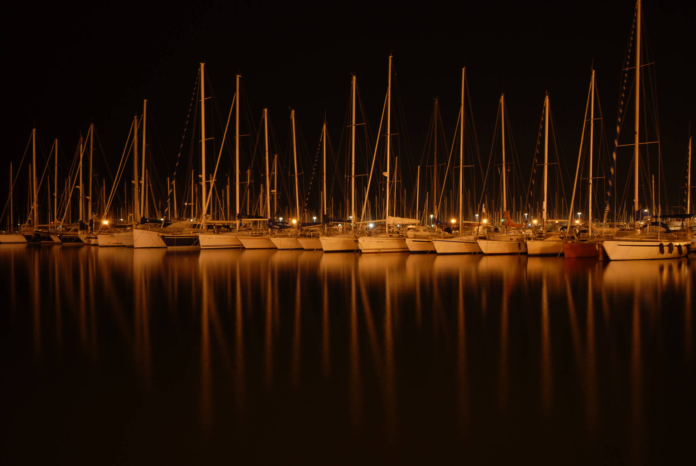
The trip was supposed to be easy. Calm weather, short distances, familiar waters. The kind of sailing that feels more like leisure than seamanship. Good food onboard, comfortable cabins, and no urgency in the schedule.
That illusion can disappear fast at sea.
When a boat trip goes wrong, it doesn’t do so gradually. It flips a switch. Luxury becomes survival, and every detail you once ignored suddenly matters.
The Moment Comfort Stops Mattering
Things rarely fail one at a time. It usually starts with something small: a weather forecast that changes faster than expected, an unfamiliar vibration, a system behaving just slightly differently than normal.
Then the wind increases. Visibility drops. Fatigue sets in.
Suddenly, the focus shifts from enjoying the journey to managing it. Comfort becomes secondary. Safety takes over.
This is when lighting, something most people associate with ambiance, reveals its true purpose.
When Darkness Becomes a Problem
Night changes everything at sea. Depth perception disappears. Landmarks fade. Tasks take longer.
In difficult conditions, good visibility onboard isn’t a luxury—it’s a necessity. Courtesy lights, often overlooked during outfitting, become critical when main lighting fails or needs to be preserved.
Low-level lighting allows you to move safely without destroying night vision. It lets you check instruments, navigate the deck, and handle lines without blinding yourself or others.
When power needs to be conserved, efficient courtesy lights can mean the difference between clarity and chaos.
Systems Fail Under Stress
Rough seas expose weak points. Water finds its way into places it shouldn’t. Connections loosen. Components overheat.
When systems start to fail, redundancy and simplicity matter more than sophistication. You stop caring how nice something looks and start caring how reliably it works.
This is where good design shows its value. Lighting that’s well-placed, protected, and intuitive helps reduce stress when everything else is demanding attention.
The Psychological Shift
One of the hardest parts of a bad situation at sea is mental. The moment you realize you’re no longer in control of conditions, only of your responses.
Panic wastes energy. Calm conserves it.
Small things help maintain that calm: being able to see clearly, move confidently, and avoid unnecessary mistakes. Proper lighting contributes directly to that sense of control.
Courtesy lights provide orientation. They remind you that your boat is still functioning, still yours, even when the environment feels hostile.
Navigation Becomes Physical
In difficult conditions, navigation isn’t just digital. You move more. You look outside more. You double-check everything.
At night, moving around safely is essential. Slipping, tripping, or colliding with equipment can escalate an already difficult situation.
Well-positioned courtesy lights illuminate pathways, companionways, and work areas without creating glare or confusion. They allow movement without distraction, which matters more than people realize.
Power Management Takes Priority
When things go wrong, power consumption suddenly matters. You start making decisions about what stays on and what gets shut down.
Low-draw lighting options allow you to maintain visibility while preserving battery life for critical systems. In long nights or extended emergencies, that balance becomes crucial.
Courtesy lights are often designed for exactly this scenario—minimal consumption, maximum usefulness.
The Lesson Hidden in Discomfort
After the situation passes, you replay everything in your head. What worked. What didn’t. What you’ll change next time.
Most sailors don’t remember the luxury moments as clearly as the difficult ones. It’s in discomfort that lessons stick.
You remember which systems were intuitive. Which controls were accessible. Which lights helped you move without thinking.
Those details shape how you prepare for future trips.
Why Preparation Is Quiet
Preparation rarely feels exciting. You don’t get stories from checking wiring, testing lights, or thinking through failure scenarios.
But when things go wrong, preparation speaks loudly.
The transition from luxury to survival doesn’t have to be dramatic to be dangerous. It can be subtle. Gradual. A slow erosion of margins.
That’s why thoughtful choices—like installing effective courtesy lights and understanding their role beyond aesthetics—matter more than most people realize.
After It’s Over
When conditions improve, comfort slowly returns. You make hot drinks. You dry clothes. You breathe differently.
The boat feels familiar again.
But you’re not the same. You’ve seen how fast things can shift. You’ve felt how systems support or undermine your ability to respond.
You don’t chase luxury the same way after that. You chase reliability.
Because when a boat trip goes wrong, it’s not the expensive features that save you. It’s the quiet, functional ones that help you see, move, and think clearly when it matters most.