
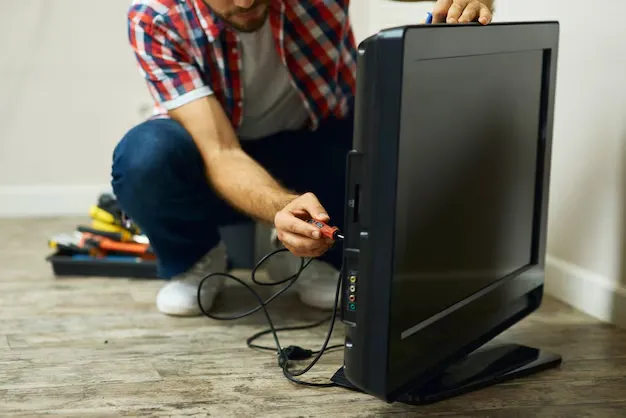
When television pictures freeze or familiar channels disappear, buying a new television is rarely the best first step. The difficulty may lie with the way signals reach the property. Across the UK, households can receive free-to-air television through a terrestrial aerial or a satellite dish, but the most suitable option depends on location, the building and viewing preferences. Understanding the practical differences can prevent unnecessary equipment purchases and help households choose a dependable setup.
Start With the Signal Available at Your Address
Freeview uses terrestrial transmitters, so reception is influenced by distance, terrain, surrounding buildings and the aerial installation. Hills or densely built streets may obstruct the signal, while some properties receive a strong picture from a modest aerial positioned correctly. Signal prediction tools can provide an indication, but they cannot guarantee reception inside a particular building.
Freesat receives broadcasts from satellites rather than terrestrial transmitters. This can be useful where Freeview coverage is limited, although a dish still needs a suitable view towards the satellites. Nearby trees, walls and neighbouring buildings can interfere with that view.
Understand What Each System Needs
A terrestrial setup normally includes an aerial, appropriate cabling and a compatible television or receiver. An old aerial is not automatically unsuitable simply because it has been in place for years. Its condition, positioning and the quality of the signal at the television matter more than appearance alone.
Households considering TV aerial installation should first establish whether an existing aerial can be repaired or repositioned. Damaged connectors, poor-quality distribution equipment and deteriorated cables can imitate weak reception. A qualified installer can test the signal rather than guessing which component needs replacing.
Satellite reception involves a correctly aligned dish, an appropriate low-noise block converter and compatible receiving equipment. Some newer televisions include satellite tuners, but compatibility with the intended service should be checked before purchase.
Compare Everyday Viewing Needs
Channel availability is an important part of the decision. Freeview and Freesat both offer free-to-air services, but their channel line-ups, regional options and equipment requirements are not identical. Checking current listings for your postcode helps prevent disappointment after installation.
Think about how television is used in the household:
-
Which channels and regional programmes are essential?
-
Does the television have a suitable built-in tuner?
-
Will viewers need recording or programme-guide functions?
-
How many rooms require independent viewing?
-
Is there an existing aerial socket or satellite cable?
-
Could trees or future building work affect reception?
These questions make it easier to assess practical costs and avoid paying for features nobody uses.
Consider the Building Before Installing Hardware
Aerials and dishes must be fixed securely and positioned to receive reliable signals. That does not always mean choosing the highest or most visible location. Roof access, wind exposure and cable routing can significantly affect installation complexity and future maintenance.
Flats and rented properties introduce another consideration: permission. Tenants should consult their landlord, and leaseholders may need to check building rules before installing exterior equipment. Planning restrictions can apply to satellite dishes in particular circumstances, including some listed buildings and conservation areas. Requirements should be checked for the specific property rather than assumed.
When Satellite Reception Makes Sense
Where terrestrial reception remains unreliable despite appropriate checks, Freesat satellite dish installation may offer another route to free-to-air television. The dish must be aligned accurately, and installers should confirm the intended receiver can support the chosen service. Existing satellite hardware may sometimes be reusable, but compatibility cannot be assumed.
Satellite reception has limitations too. Severe weather can occasionally interrupt signals, especially where the dish is poorly aligned or obstructed. It should be viewed as an alternative reception method, not as a promise of perfect viewing in every condition.
Think About Future Rooms and Maintenance
Before any installation, decide whether viewing may eventually extend to a bedroom, kitchen or home office. Serving several rooms can require additional cabling, distribution equipment or receiver connections. Planning those routes early is often tidier than adding them after decoration is complete.
Keep a note of the equipment installed and ask how to recognise a loose connection, damaged cable or alignment issue. Occasional checks of signal quality can reveal developing faults before they disrupt an important programme.
Conclusion
Choosing between terrestrial and satellite television should begin with reception conditions, channel preferences and the physical requirements of the property. Neither option is automatically better for every household. A careful assessment of existing equipment, future room requirements and installation permissions leads to more informed decisions. Considering long-term maintenance and potential reception challenges can also help homeowners avoid unnecessary expenses. For information about television aerials, satellite systems and related services in Scotland, techtwins.co.uk provides available technical solutions.