
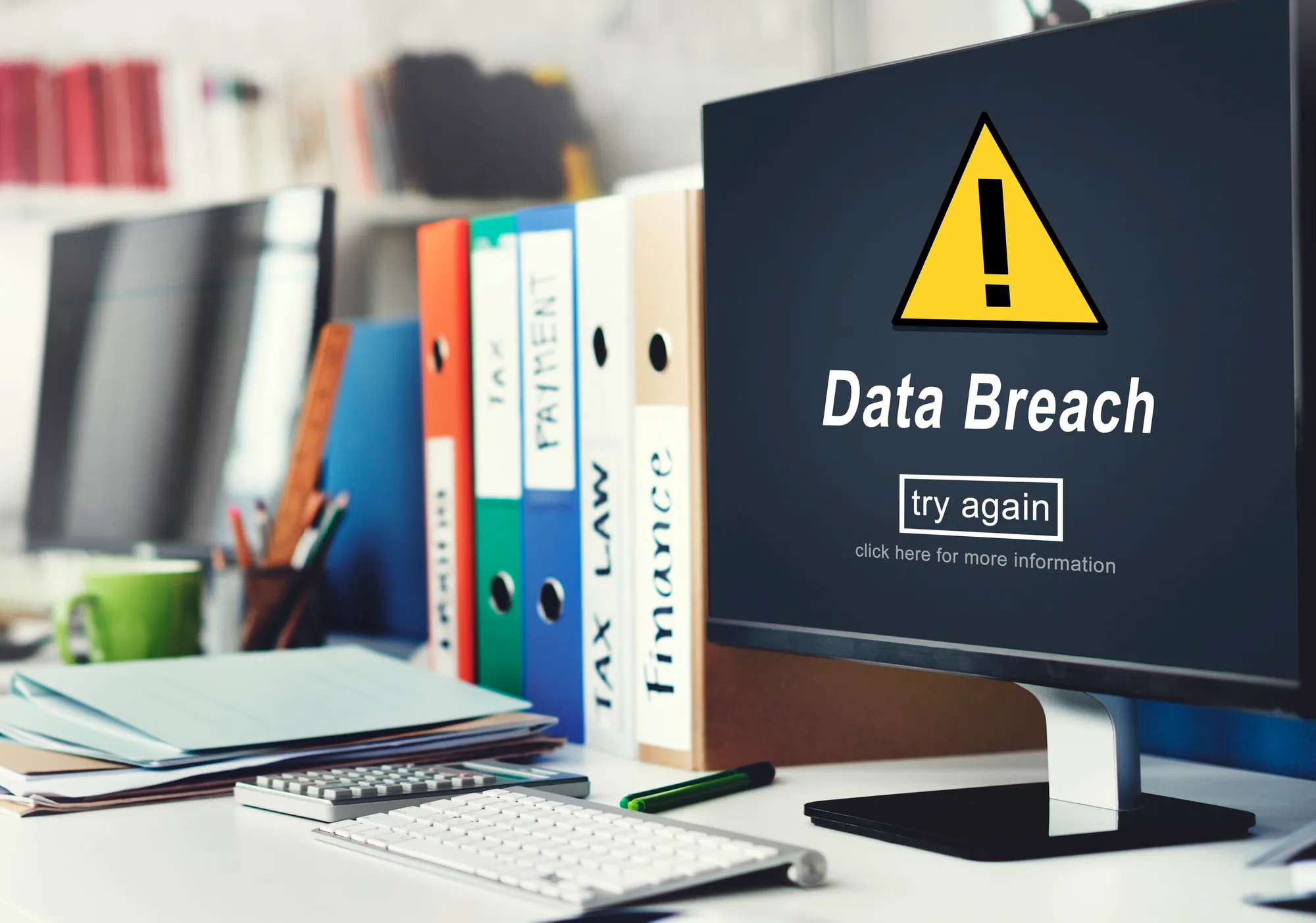
A data breach can quickly become a serious business issue when sensitive information is exposed. Customer records, employee details, login credentials, and internal documents may all become targets during a security incident. Having a clear response plan helps organizations act with greater control when an unexpected event occurs.
A strong strategy is not only about technical recovery. It also involves identifying the incident, containing the problem, communicating with the right people, reviewing what happened, and improving security afterward. Preparation gives teams a practical framework to follow when time and information may be limited.
Start With Data Breach Response
Effective Data Breach Response begins before an incident happens. Organizations should identify the systems, applications, and data that would require immediate attention if compromised.
A response plan should clearly define responsibilities for security teams, IT staff, management, legal advisers, and communications personnel. Everyone should understand who makes decisions and who handles specific tasks during an incident.
The plan should also include escalation procedures. Not every security event has the same impact, so teams need a way to determine when an incident requires broader action. Regular reviews can keep the plan aligned with changes in systems and business operations.
Identify What Has Been Exposed
Once a breach is suspected, determining what happened becomes a priority. Teams need to establish which systems were affected and what information may have been accessed, changed, or removed.
This process can involve reviewing authentication records, system activity, endpoint alerts, application logs, and other available evidence. The goal is to build a reliable picture without making assumptions too early.
Organizations should also consider whether exposed information could create further risks. Credentials, personal information, financial details, and internal access information may require different response measures.
Use Threat Intelligence Effectively
Threat Intelligence can provide useful context during an investigation. Instead of examining an isolated security alert, teams can compare available information with known attack methods, compromised credentials, malicious infrastructure, and other threat indicators.
This context can help security professionals determine whether an unusual event may be connected to a broader campaign. It can also support decisions about which accounts, systems, or indicators should receive additional attention.
The value comes from applying intelligence to a specific business situation. Large amounts of information are not automatically useful unless teams can understand the relevance and connect it with their own environment.
Contain the Immediate Risk
After identifying the likely source or affected systems, organizations should work to limit further exposure. Depending on the situation, this may involve deactivating compromised accounts, resetting credentials, isolating affected devices, restricting access, or blocking suspicious connections.
Containment should be carefully coordinated. Removing access too broadly can disrupt normal operations, while delaying action may allow an attacker to continue moving through connected systems.
Teams should document important actions during this stage. A clear record can help with investigation, communication, compliance requirements, and later review.
Communicate With the Right People
Communication is an important part of incident management. Internal teams need accurate information so they can make informed decisions without creating unnecessary confusion.
Customers, employees, partners, regulators, or other affected parties may also need communication depending on the nature of the incident and applicable requirements. Messages should explain relevant facts clearly and avoid speculation.
Organizations should prepare communication procedures before an incident occurs. Predefined responsibilities, approval processes, and contact information can save valuable time when a security event develops quickly.
Recover Systems Carefully
Recovery should focus on restoring normal operations while reducing the possibility of another compromise. Simply bringing an affected system back online may not be enough if the original weakness remains unresolved.
Teams should verify credentials, review access permissions, apply appropriate security updates, and confirm that monitoring is functioning properly. Critical systems may need additional checks before full access is restored.
Recovery should also consider connected services. A compromised account or application may have access to other systems, making it important to review those relationships before declaring the incident resolved.
Learn From the Incident
Every breach can reveal weaknesses that were difficult to notice during normal operations. After immediate risks are addressed, organizations should conduct a structured review of the incident.
The review can examine how the event started, how it was detected, how quickly teams responded, and which controls worked effectively. It should also identify areas where processes, technology, or employee training could be improved. The goal is not simply to document what went wrong. The review should lead to practical changes that strengthen future security.
Conclusion
A well-prepared organization treats breach readiness as an ongoing security responsibility. Systems change, employees join and leave, new applications are introduced, and attackers continue to adjust their methods.
Regular exercises can help teams test response procedures before a real incident occurs. Updating contact lists, reviewing access controls, checking monitoring systems, and practicing communication plans can make future responses more organized.
A strong strategy combines preparation, timely detection, careful containment, clear communication, and continuous improvement. When these elements work together, organizations are better positioned to manage security incidents while protecting important information and maintaining business continuity.